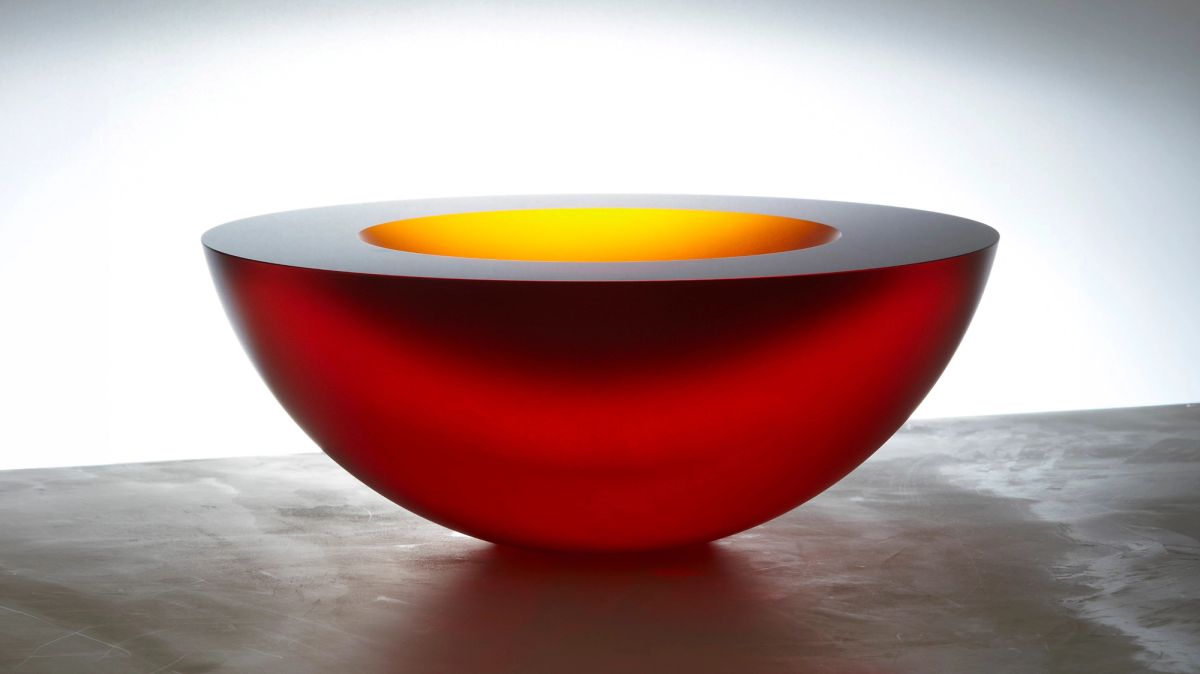
The greatest example of Vízner’s style, combining the demands of industrial production with a search for timeless aesthetic values, is Bowl with Point, whose idea originated during the depths of the Cold War with a series of sketches for a glass object that ́the designer hoped could be turned into serial production pieces using glass-pressing techniques. Vízner cut the first bowl himself in 1971 from a block of smoky soda-potash glass material, finishing the surface using gravel pitting. Although his hopes for mass production never materialised, the prototype gave way to an artistic series of geometrically shaped glass vessels with a delicate sculptural detail. The exhibition features three replicas of the original shape (from 1998, 2007 and 2009) illustrating Vízner's continued refinement of this iconic shape, as variations in proportion, colour and optical depth reveal entirely new experiences of light.
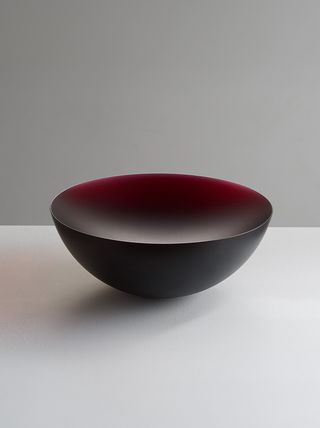
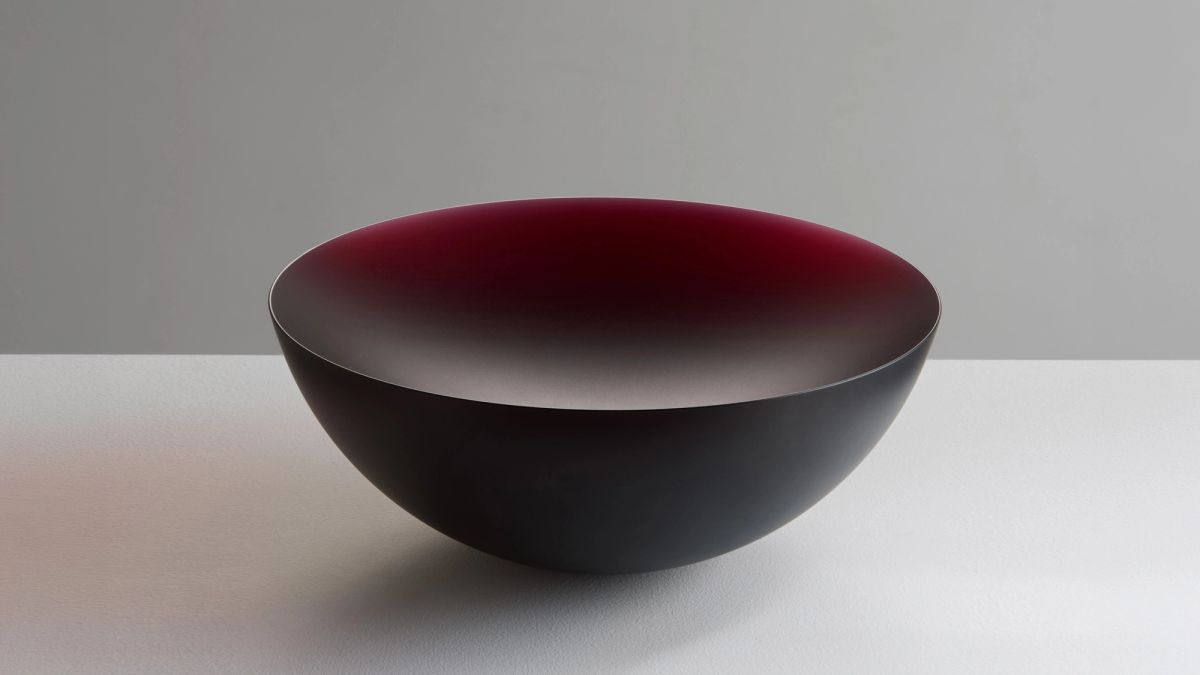
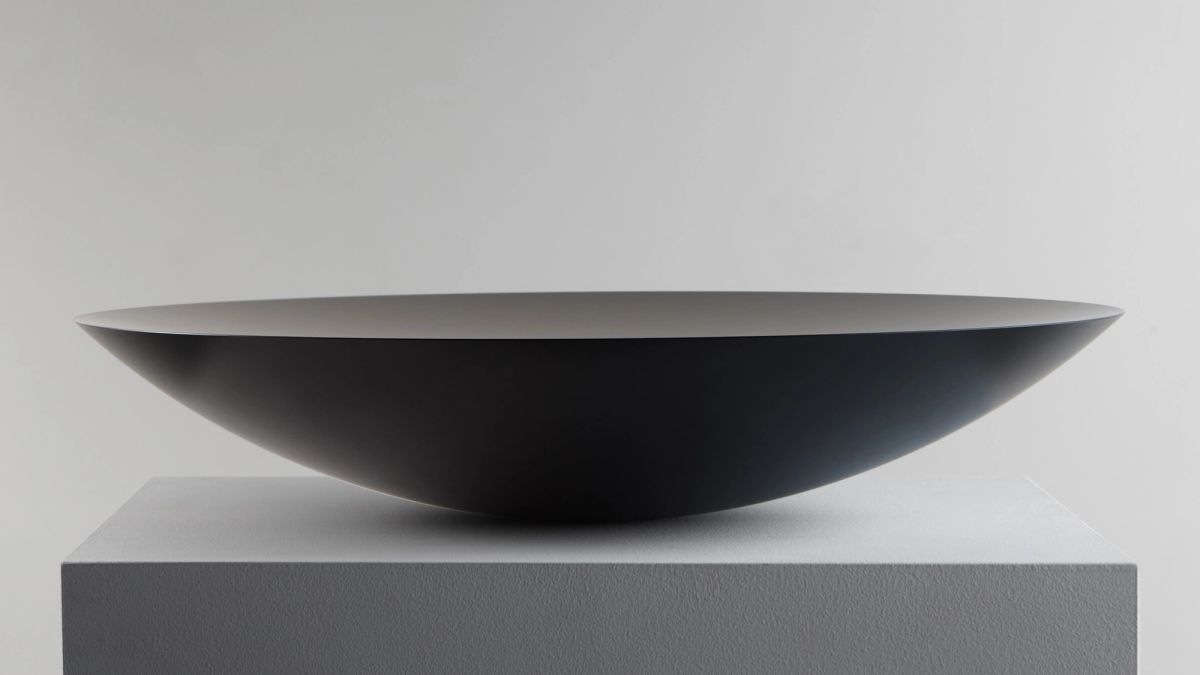
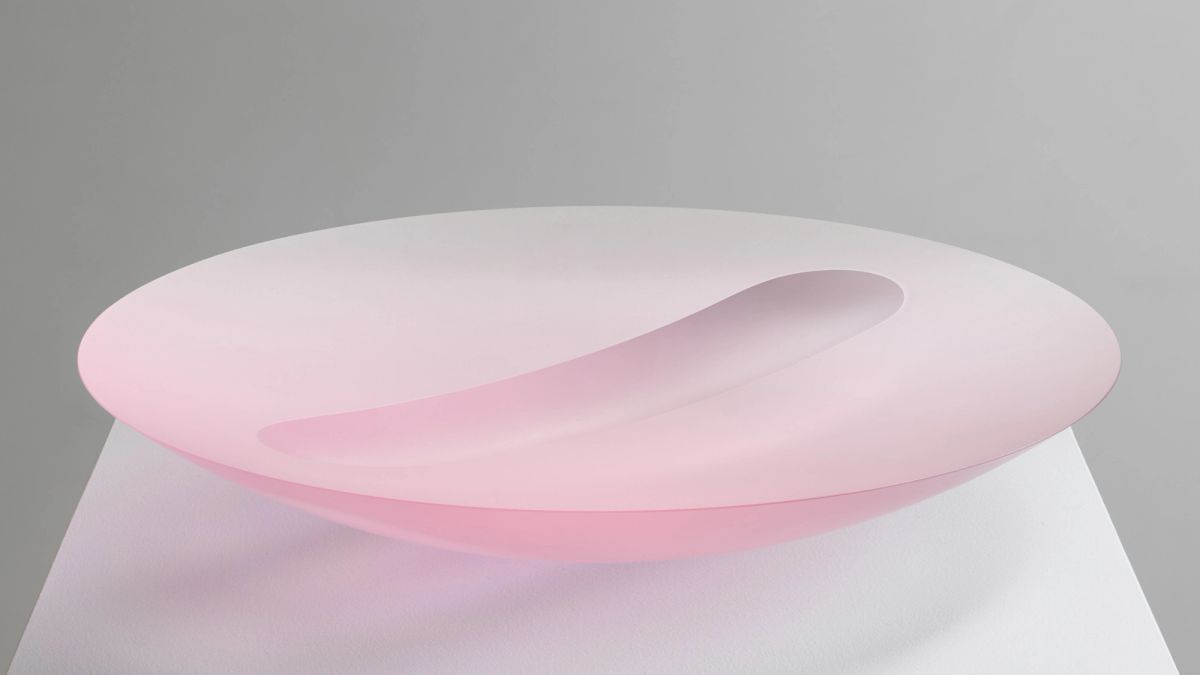
Optical glass pieces like Bowl Dark Red (2007) and Bowl Oval Pink (2008), as well as others in iridescent shades of blue, green, orange and purple, illustrate the great emphasis that Vízner placed on the colour of his material. Using an innovative lead-based glass material obtained from specialist glass factories in the Czech Republic, he produced works in rich, vivid tonalities. The final decade of his career saw a growing interest in opaque materials. Beginning in the early 2000s, Vízner explored their sculptural qualities in a series of increasingly refined works, culminating in his final collection of black opaque glass in 2010, which included Bowl Black (2010), Square Bowl (2010) and Vase (2010). Together, these works represent a bold new direction in his practice, demonstrating a more adventurous chromatic approach while shifting his exploration from the transmission of light through glass to the sculptural presence of the object itself.
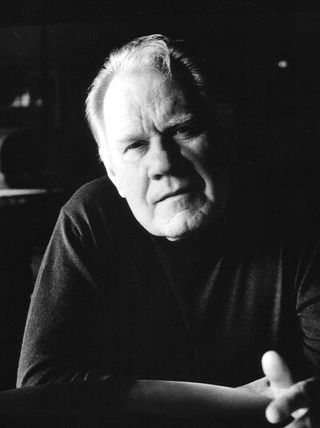
Vízner trained at glassmaking schools in Nový Bor and Železný Brod before completing his studies at the Academy of Applied Arts in Prague. After graduating from the academy, he worked as a glass designer at Sklo Union in Teplice and subsequently became creative director at the Centre of Arts and Crafts Glassworks in Škrdlovice. Vízner left the glass industry in 1975 to pursue a career as an independent artist specialising in cut studio glass. He established his own atelier in 1977.
The streamlined, elegant forms of Vízner’s vessels reflect his lifelong search for a perfect form. The exhibited works reveal how, by remaining deliberately faithful to a single form throughout much of his career, Vízner demonstrated that originality need not come from constant reinvention, but from an ever deeper understanding of one idea. Although he was surrounded by the boundless opportunities of postmodern design, Vízner concentrated on the inherent qualities of glass itself, celebrating the balance between beauty and function in single objects crafted by the skilled human hand.
"My fundamental approach is constructive. I cultivate my artistic vision through architecture, order, and hope — all rooted in the clarity of form. Yet there is also a precise kind of de-constructivism present in my work. I have sought to strip away every trace of artistic affectation until my objects reveal themselves as pure crystallisations of natural forces into essential forms.”