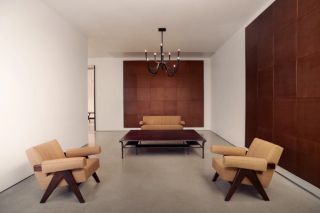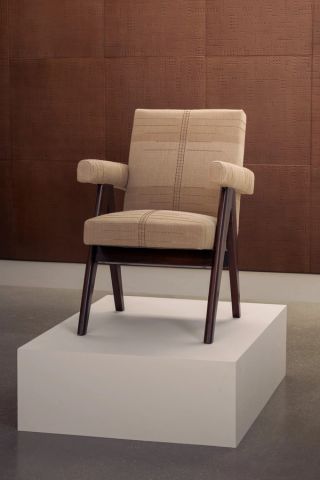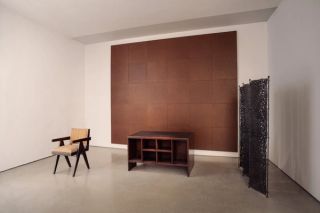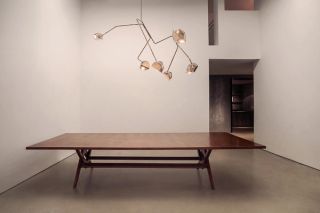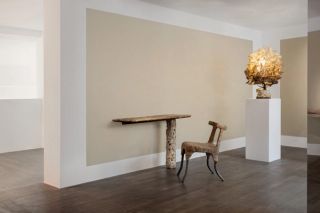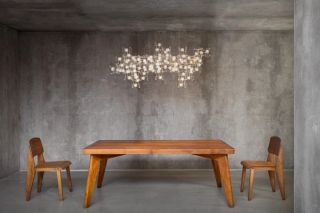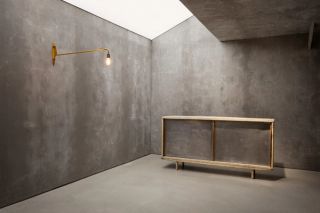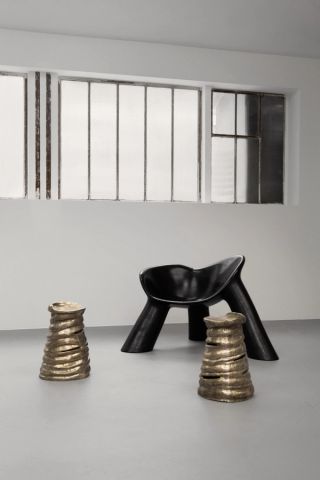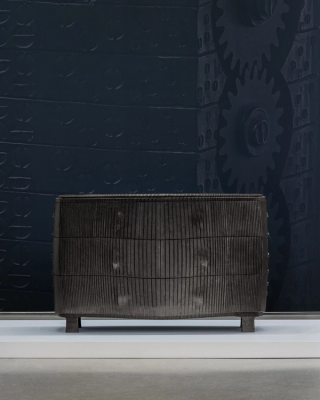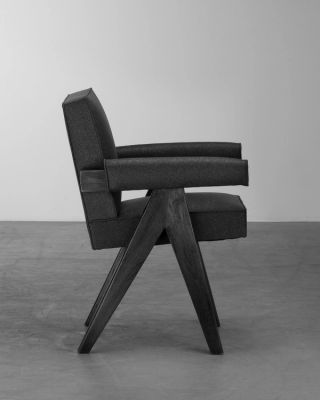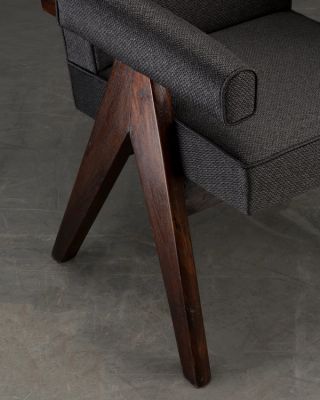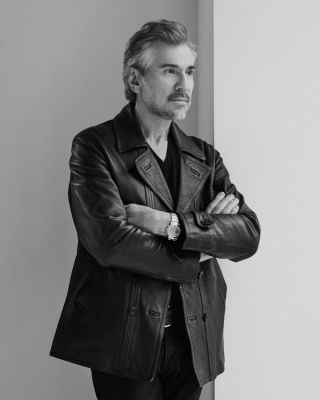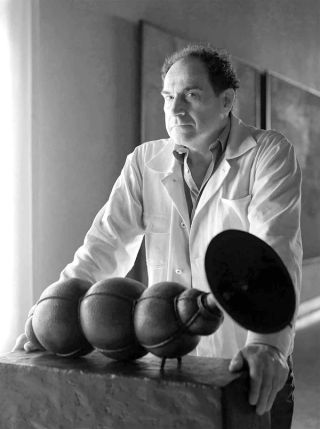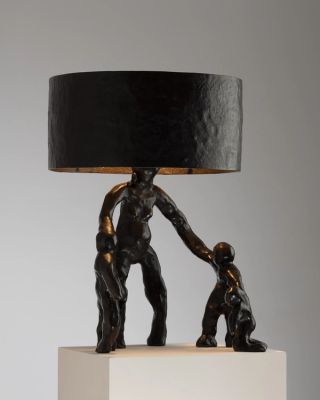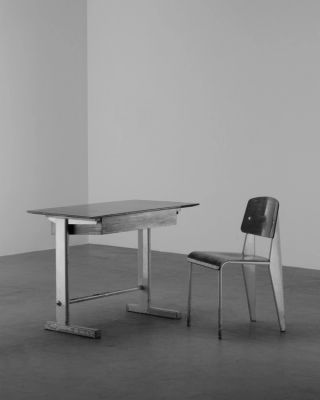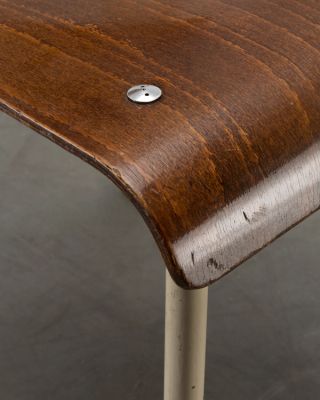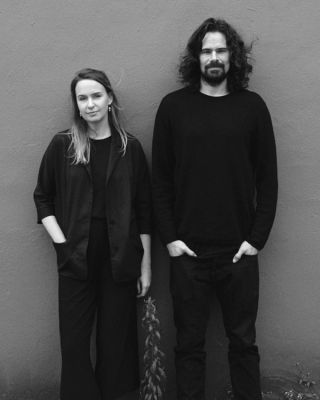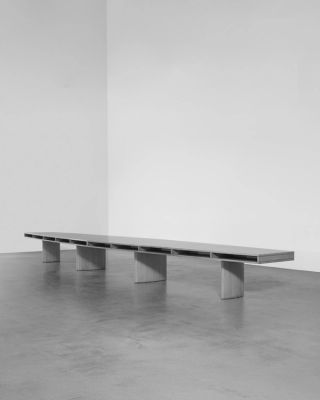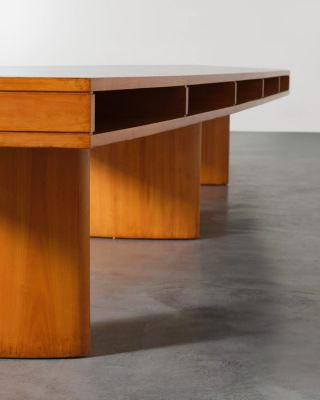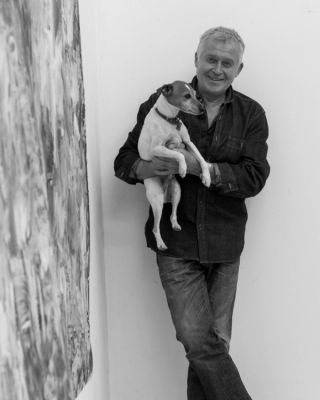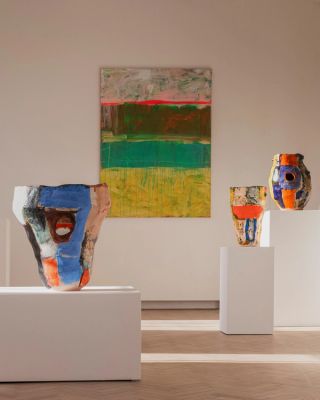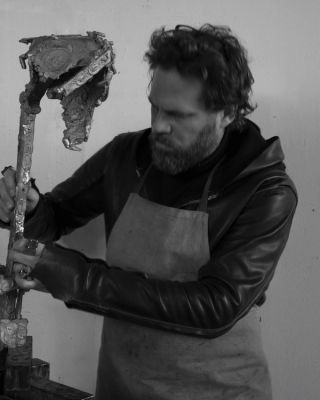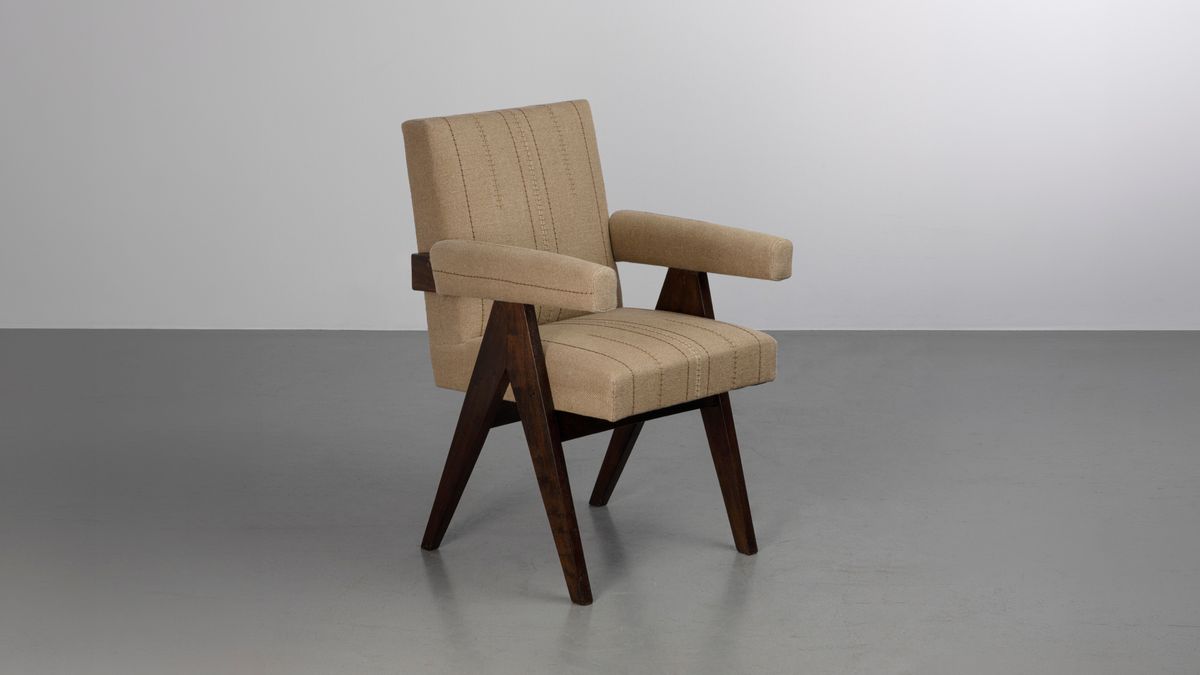
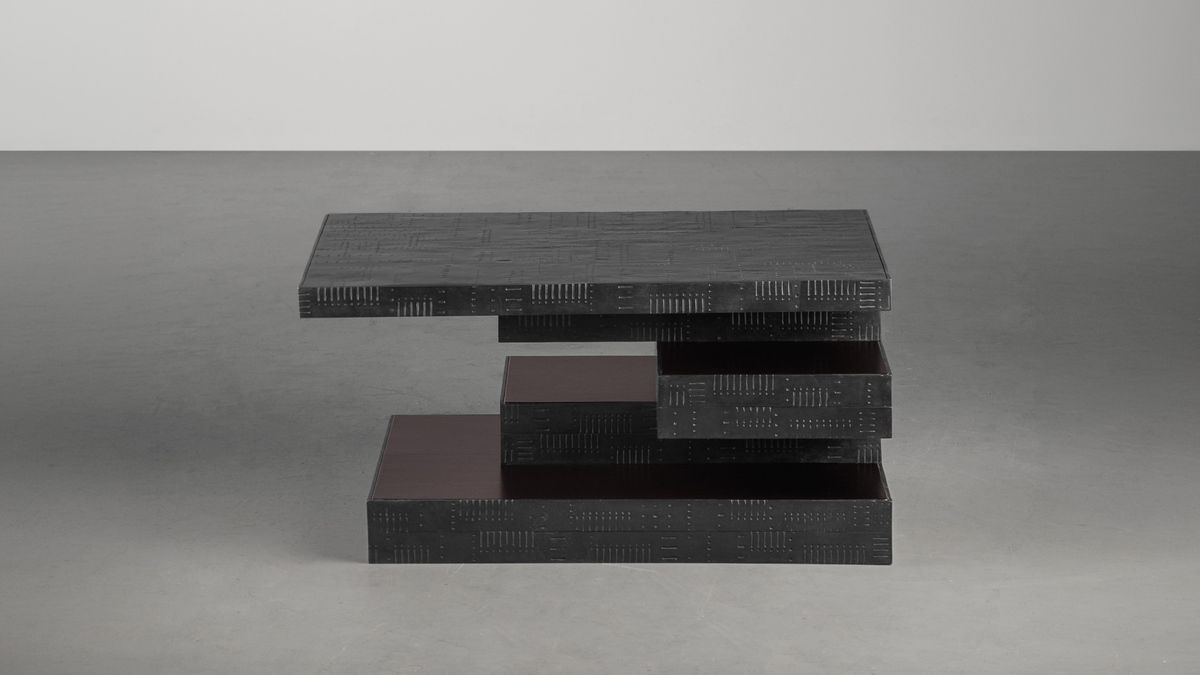
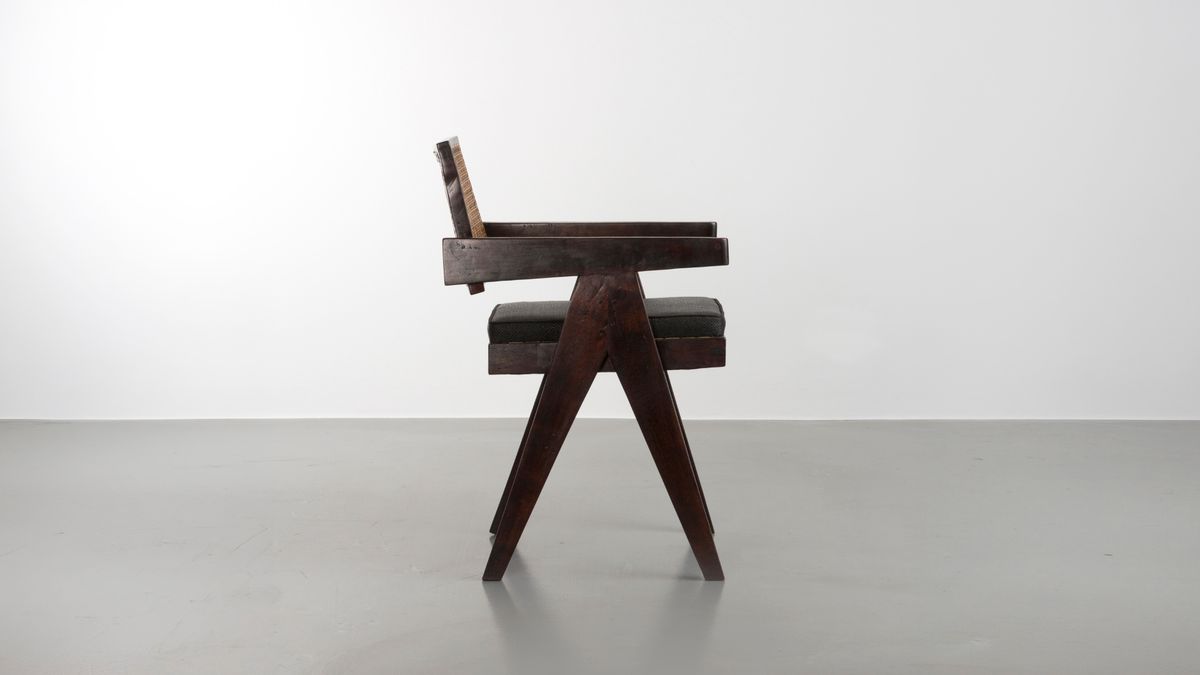
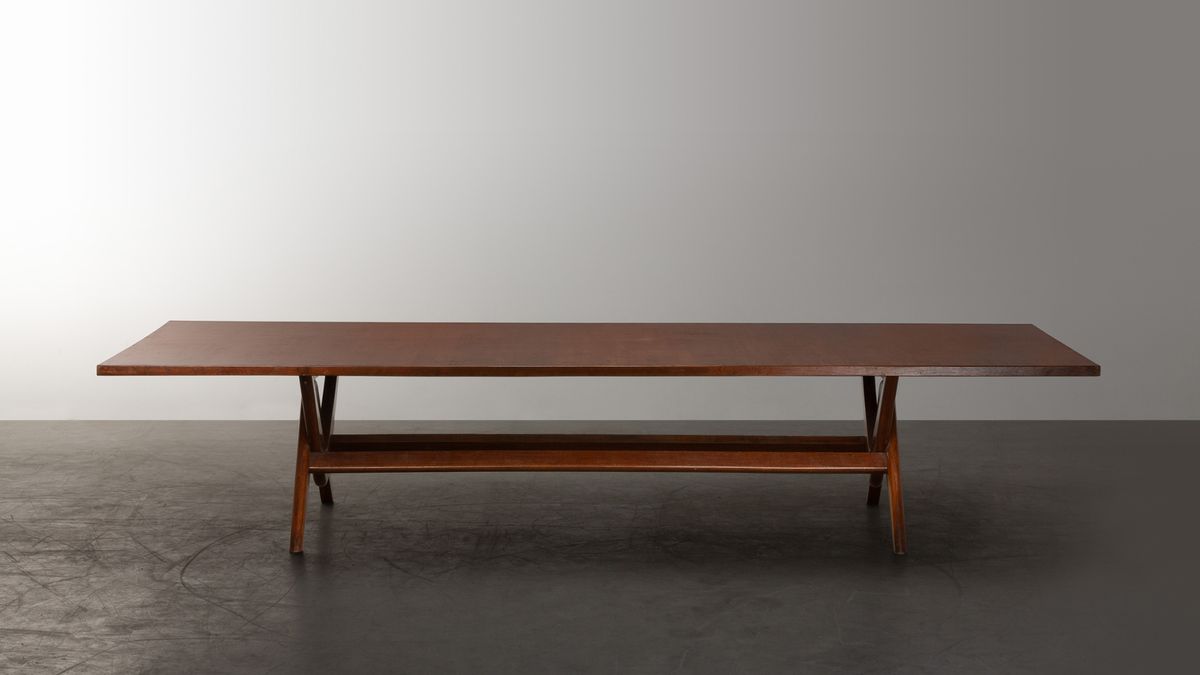
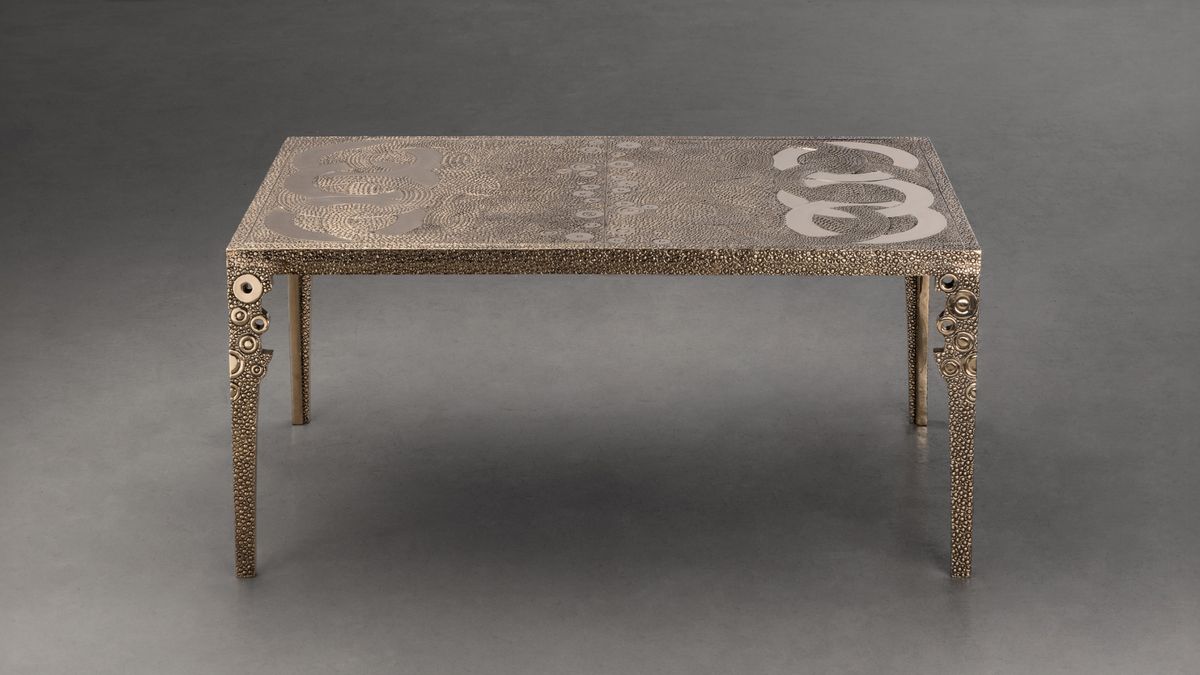
On the ground floor, the exhibition places the work of Ingrid Donat in dialogue with that of Pierre Jeanneret. Known for her sculptural bronze surfaces and richly symbolic motifs, Donat engages directly with Jeanneret’s modernist furniture, reinterpreting several historical pieces through subtle yet meaningful interventions. Donat and Jeanneret’s practices enter a tangible dialogue, where contemporary craftsmanship meets modernist design history, through Donat’s additions to some of Jeanneret’s iconic designs. Two Committee Chairs and a Lounge Set originally designed by Jeanneret have been reupholstered by the artist, introducing a renewed tactile and visual presence while maintaining the architectural clarity of the original forms. Donat has also reworked a Jeanneret Desk, adding a leather padding that features her signature patterned motifs. These gestures establish a layered conversation across time, where Jeanneret’s historical designs encounter Donat’s expressive ornamental language. This encounter underscores how historical design can be reactivated through contemporary interpretation, revealing the continued relevance and adaptability of Jeanneret’s forms within a new artistic language.
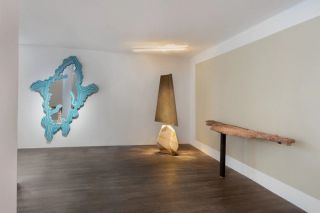
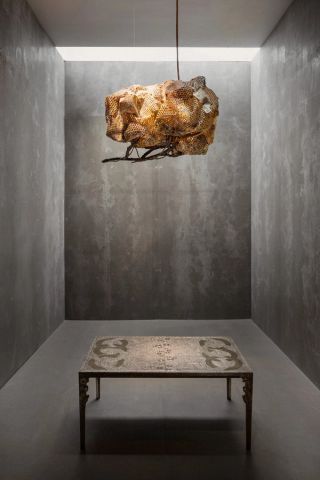
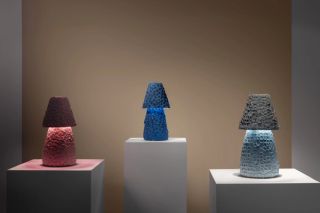
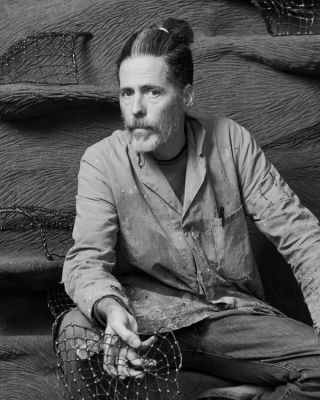
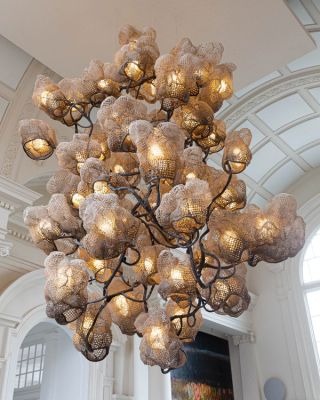
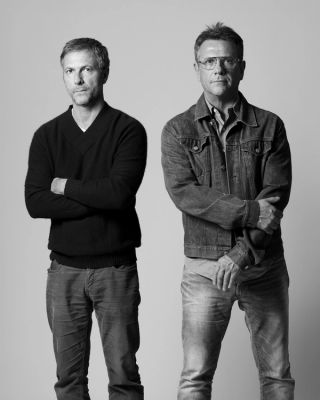
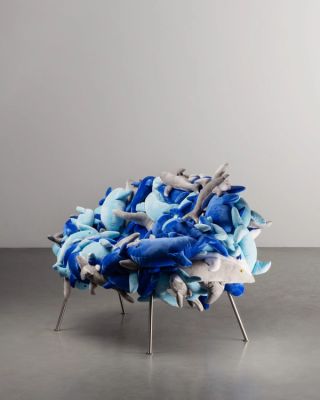
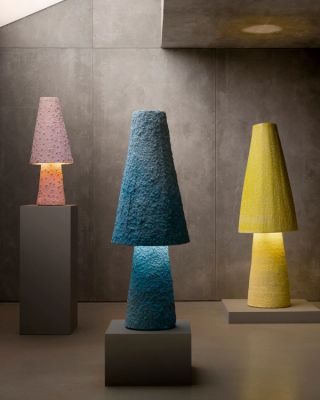
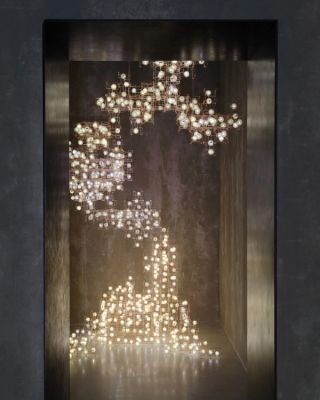
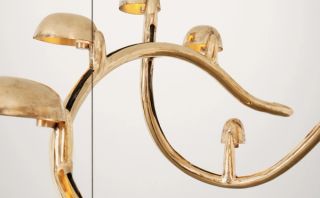
The first floor brings together the work of the Campana Brothers and Nacho Carbonell, highlighting the organic and playful sensibilities that define both practices. The Campana Brothers’ approach often transforms everyday or humble materials into exuberant compositions that blur the boundary between furniture and sculpture, exemplified by Sushi Mirror Wall 1, a reflective installation that expands and distorts spatial perception. Carbonell’s works appear almost organism-like, expanding into space through layered textures and irregular forms, as seen in the Small Blue Twin Chandeliers, which suspends Carbonell’s signature metal mesh into delicate forms, reminiscent of Carbonell’s sculptural approach. Within the gallery setting, their works establish a dynamic environment in which collectible design becomes animated, expressive and open-ended.
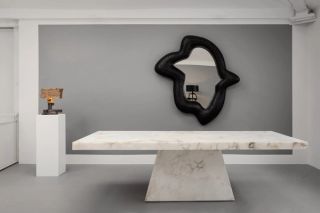
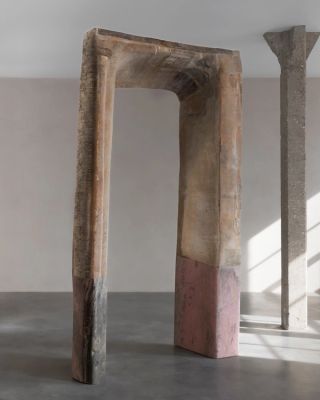
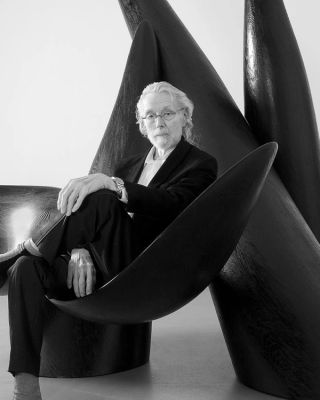
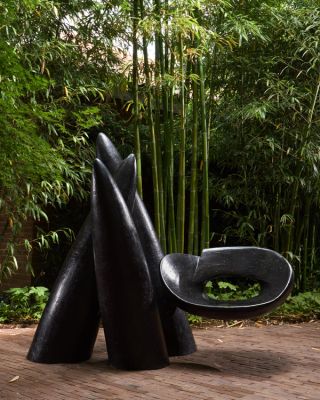
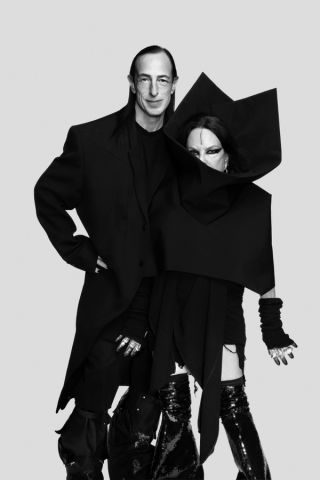
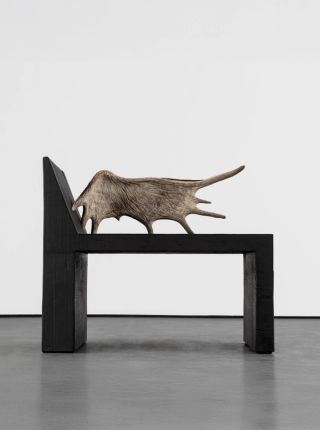
The top floor stages a dialogue between Rick Owens Furniture and Wendell Castle, two artists whose work in wood reveals radically different yet complementary sensibilities. Castle, widely recognised as a pioneering figure in the development of studio furniture, approached wood as a sculptural medium capable of fluid, almost biomorphic forms, exemplified by Is It Yesterday Left, a piece that evokes both movement and introspection through its undulating form. Owens, by contrast emphasises monolithic structures and dramatic material presence, as seen in Plug Table Alabaster, which contrasts solidity with refined geometric articulation. Together, their works reveal the breadth of possibilities contained within a single material, demonstrating how wood can shift from organic fluidity to austere monumentality.
Through these conversations, the exhibition reflects the ethos of Carpenters Workshop Gallery itself: a commitment to presenting functional objects as powerful artistic statements. Positioned between art, architecture and design, the works on view demonstrate how furniture can operate not only as a utilitarian form, but as a site of cultural dialogue, artistic transformation and sculptural exploration.