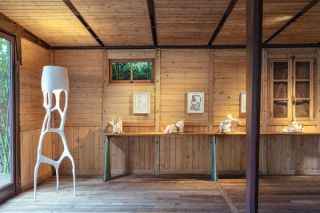
Marras is drawn to found objects with existing histories, experiences and identities. A pioneer in upcycling, the Sardinia-born designer and artist applies principles of reuse and regeneration to creations ranging from collages to ceramics. Driven by instinct over process, Marras produces works that draw from the functions and materiality of his surrounding world, breathing new life into abandoned objects through his own imaginary reconstruction.
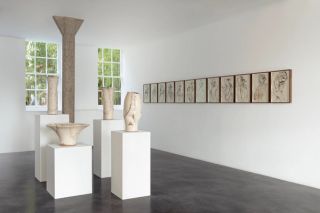
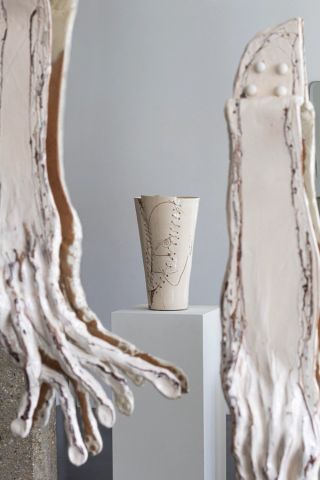
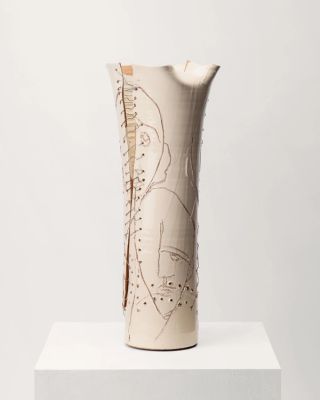
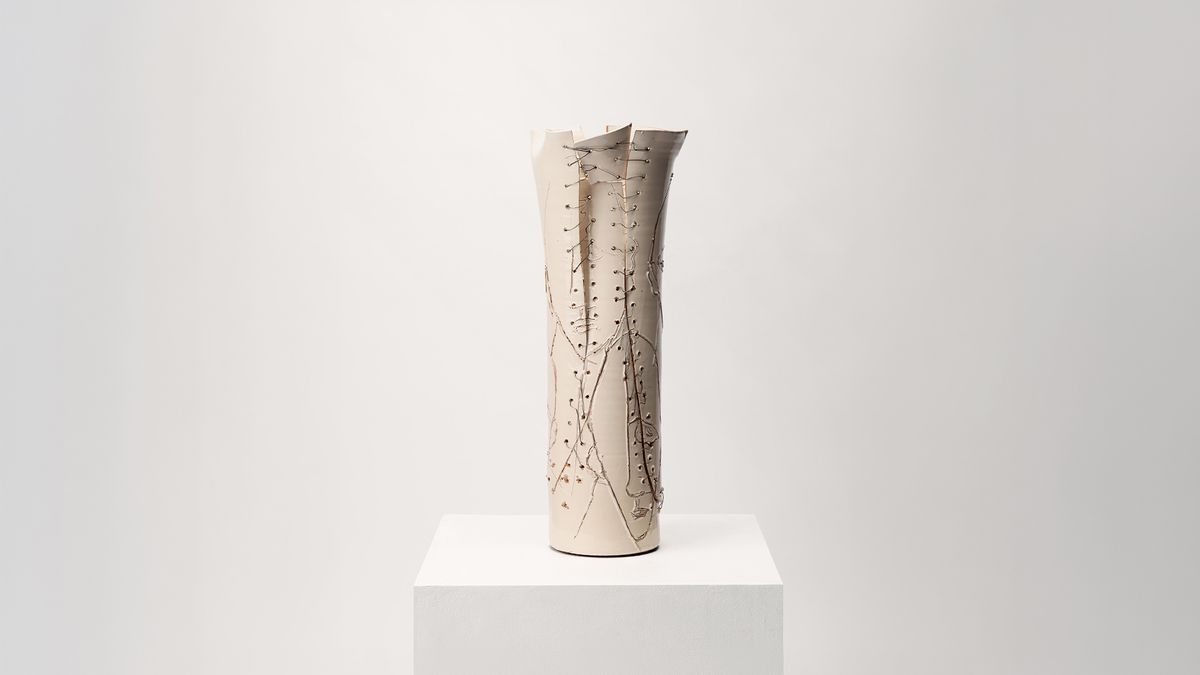
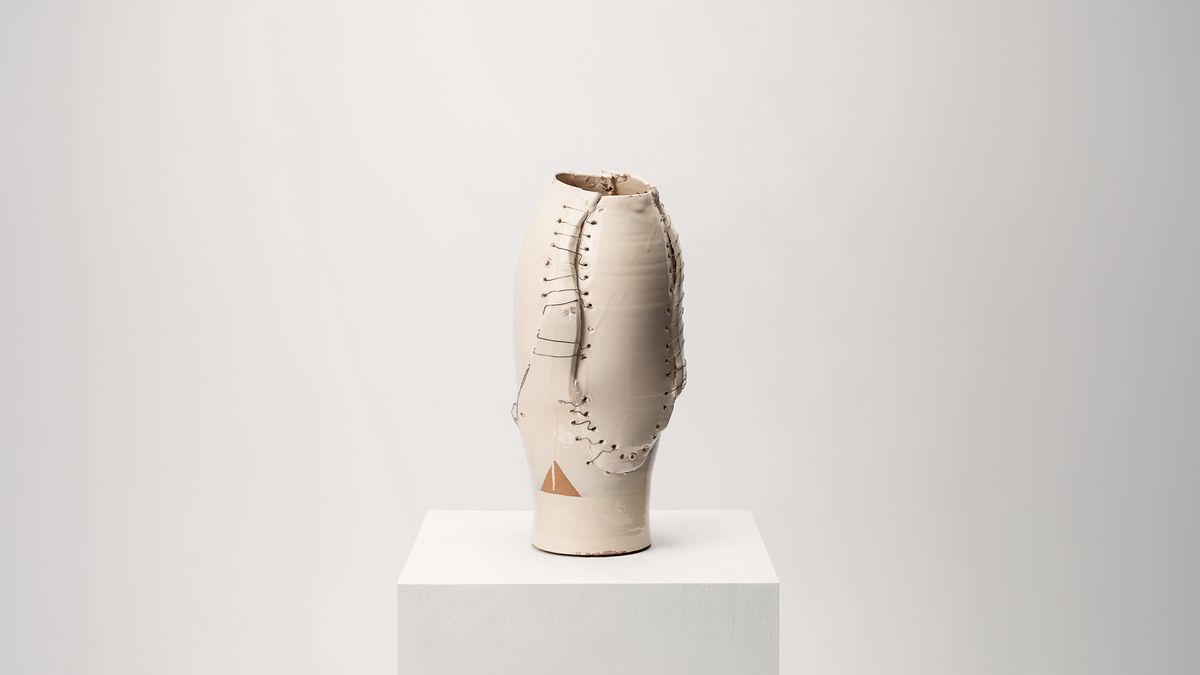
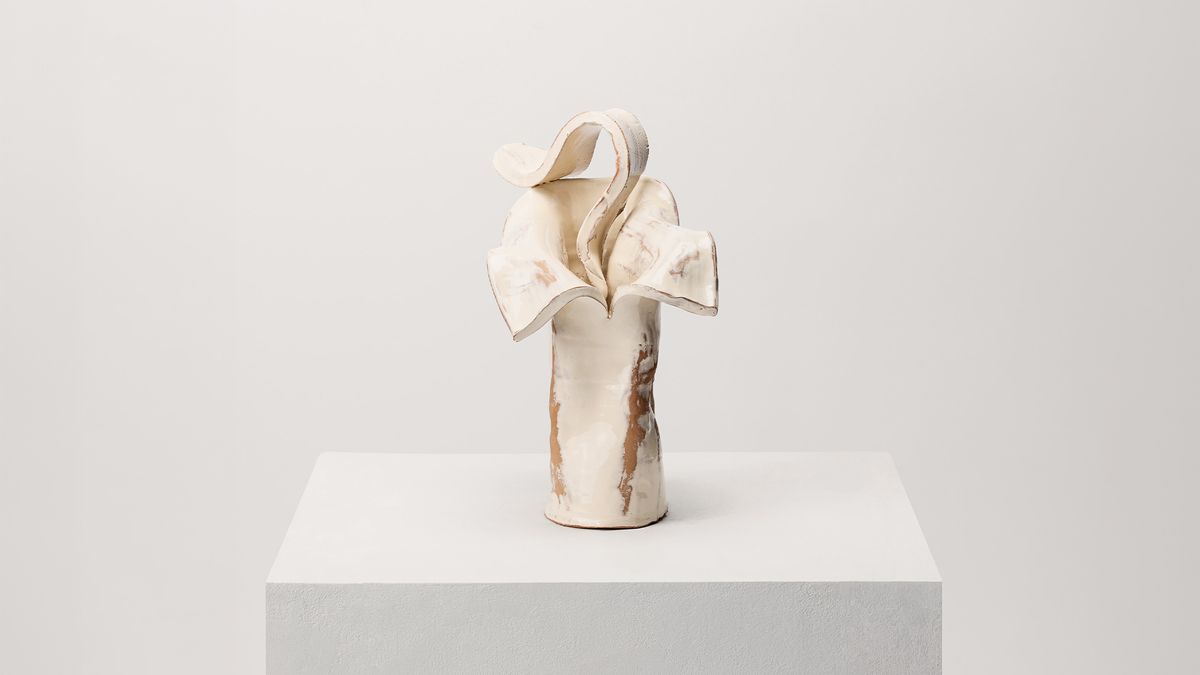
For the Cucito series, fragments of found broken vases are sewn together using metal wire. Produced through instinctive manual movements, the stitched appearance evokes an embroidery effect – reminiscent of Marras’ life as a fashion designer – but also a more unsettling surgical or medical quality. Works in the La Gassa D’amante series started as flower-shaped decorative centrepieces – but Marras turned and twisted the clay while he worked, transforming them into more instinctive-looking sculptures that resemble lover’s knots instead.
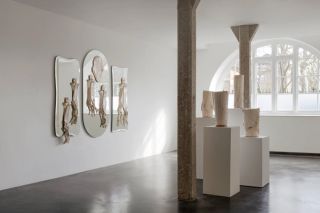
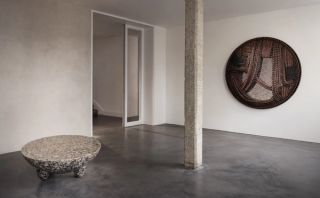
A series of sculptural mirrors titled Conosci te stesso feature ceramic elements applied onto the glass. Gazing into the mirror, viewers interact not just with their own image but also with clay pieces that bear material evidence of Marras’ personal intervention. The surfaces of these ceramics – which are seen up-close while the viewer seeks their own reflection in the mirror – are not flat or smooth but worn, worked and lived, carrying the indelible imprints of the sculptor's manual work.
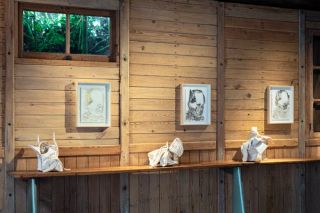
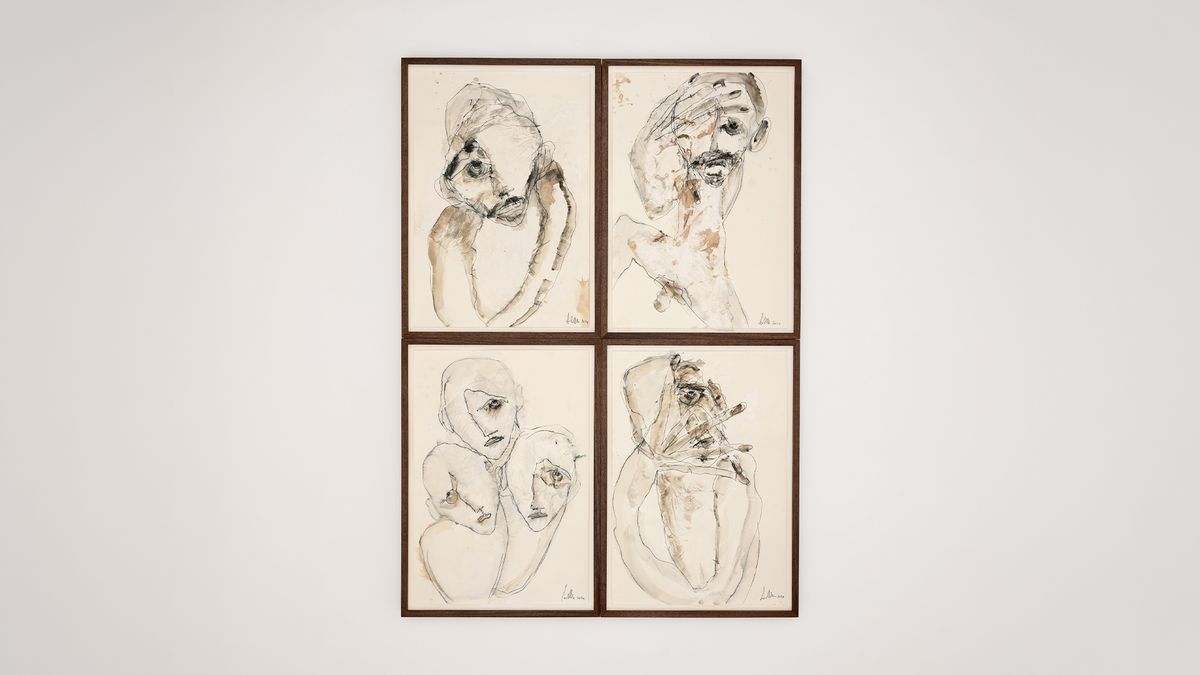
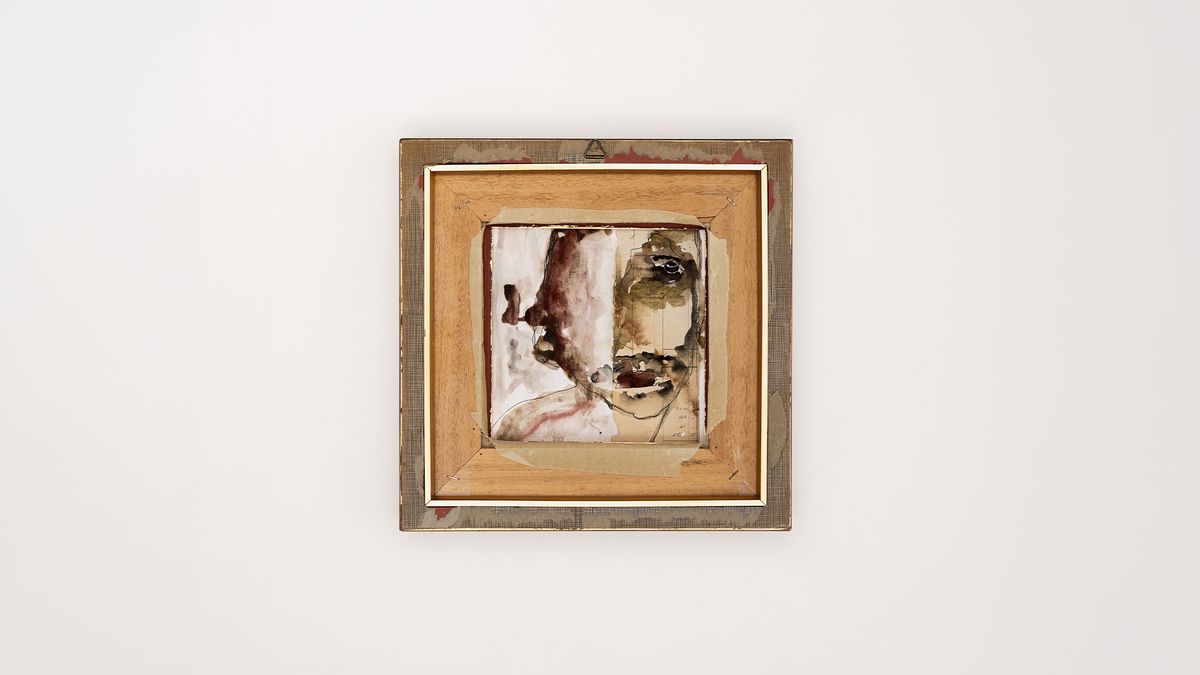
Marras’ work in portraiture explores themes of absence, erasure and otherness, with the faces of his subjects often obscured. Retrospective shows how the artist used not just ink and watercolour but also coffee to produce paintings on paper. Marras experimented with paper of various textures, from delicate Japanese rice paper to thick cardboard, or – as in this work – the pages of a used book. Set in the back of a recovered wooden picture frame, the artwork provides a new perspective on this everyday object.
For Marras, art is a way to restore order to chaos. Through his artworks, his stylistic register and creative urgency find bodies through which to express themselves. This exhibition celebrates a designer who not only shows an increasingly daring approach to his use of materials and objects but also brings an emotional quality to pragmatic acts of recovery and reuse.