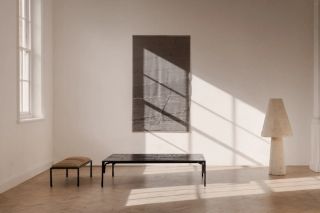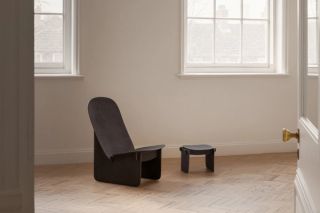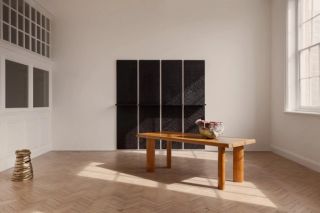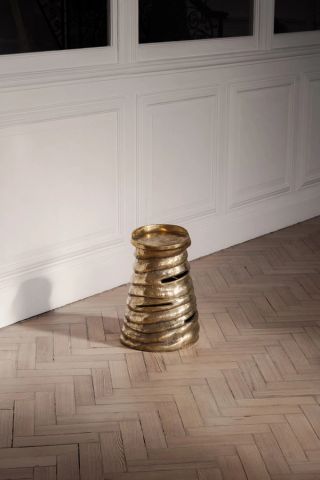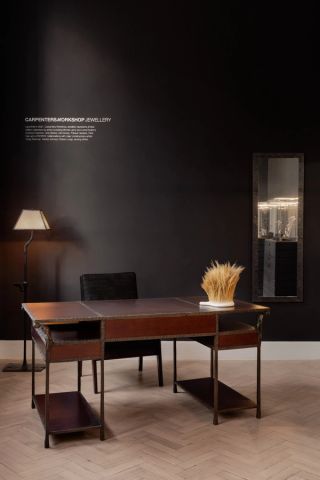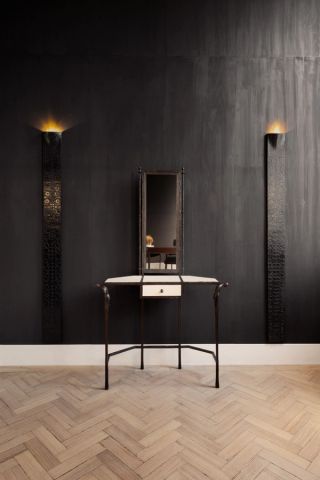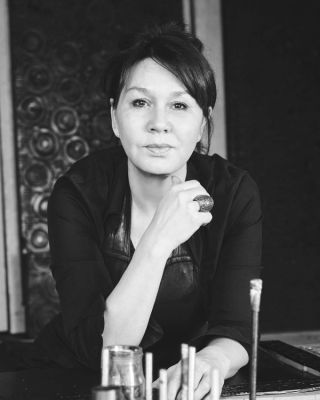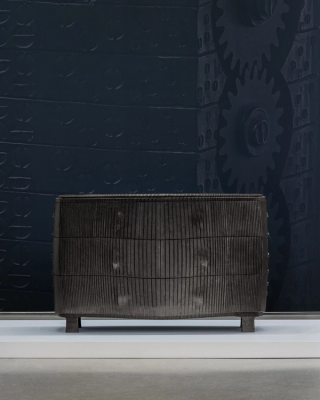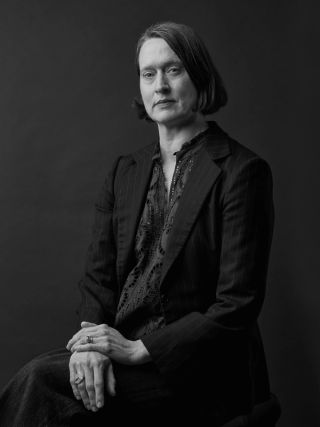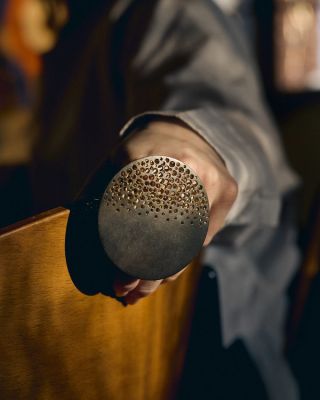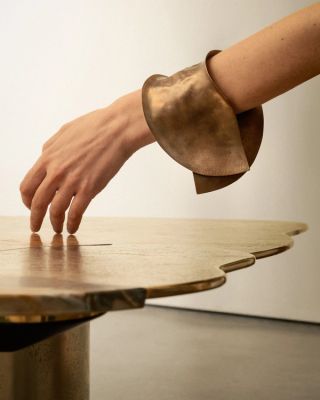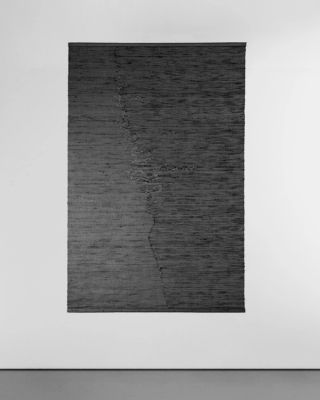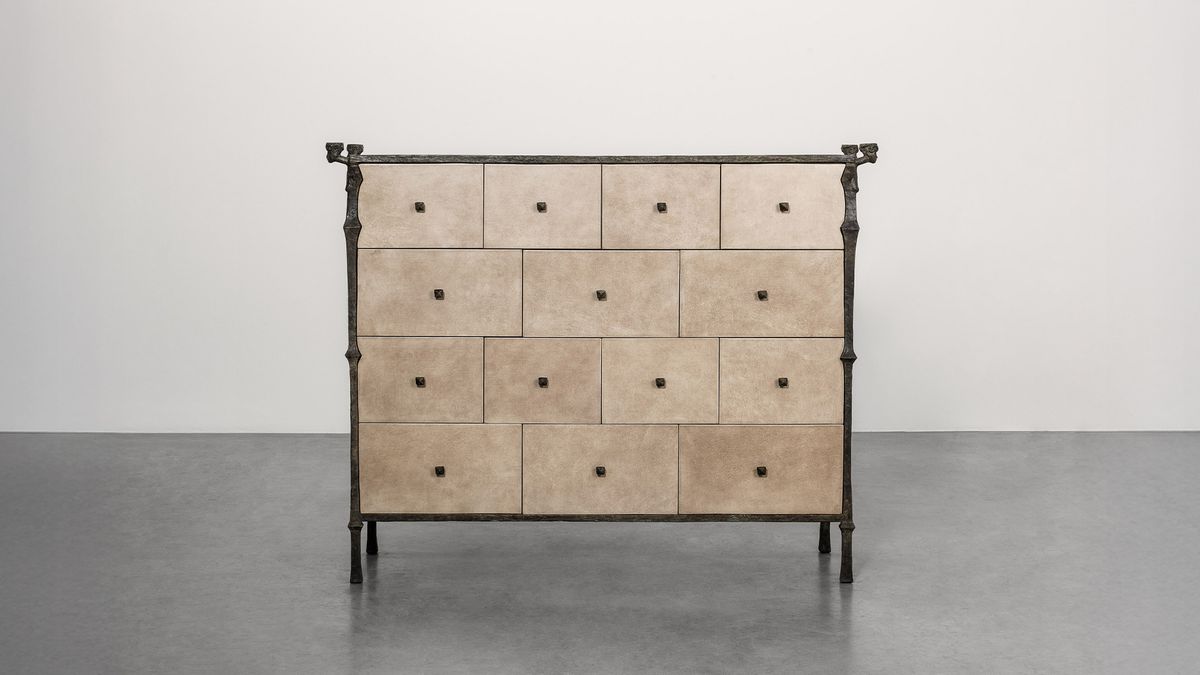
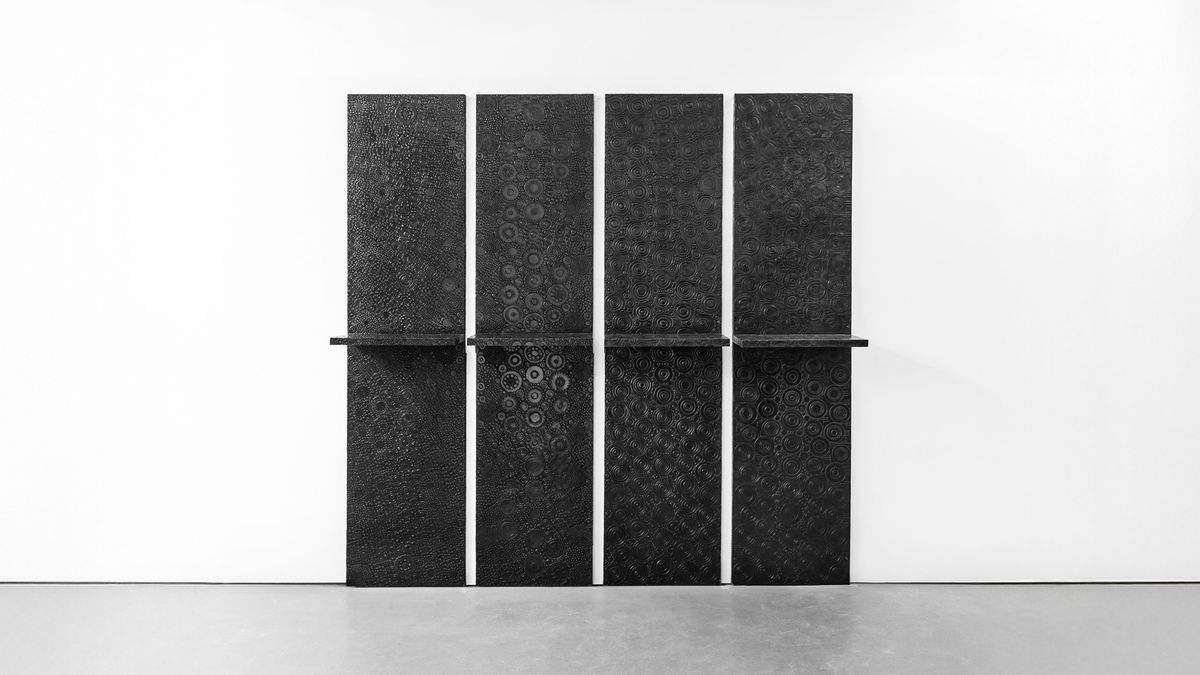
Ingrid Donat is one of the most influential living artists working in decorative arts, transforming materials – including bronze, parchment and wood – through her signature scarification technique. In the monumental bronze surfaces of Bibliothèque Quatre Saisons and Commode 14 Tiroirs, intricate hand-worked patterns transform functional objects into sculptural artworks.
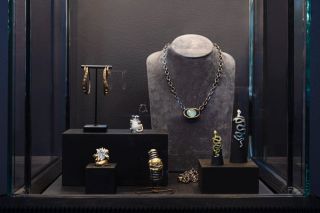
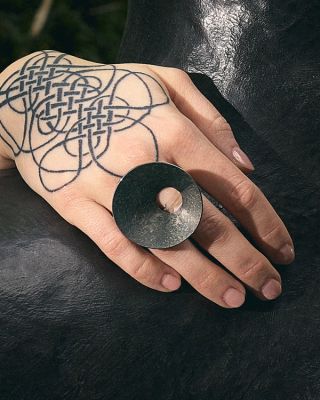
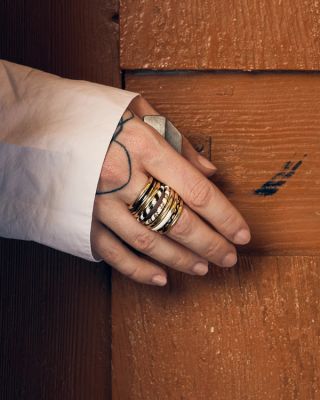
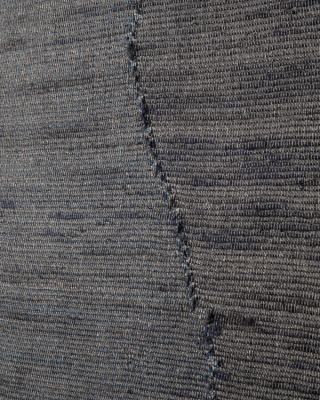
Relief and rhythm create a dynamic interplay of light and shadow, which echoes the surface of Aki Cooren’s Tiss-Tiss Ring Loop Gold. Inspired by textiles, the ring is imprinted with the texture of linen fabric, evoking the tactile language of the woven material. The relief captures the subtle contours of the woven material, translating tactile softness into metal. In both cases, relief is not merely decorative: it orchestrates space, animates surfaces, and produces a visual rhythm that unites functional art and wearable sculpture, demonstrating how texture, material and form converge to create fluidity across scales.
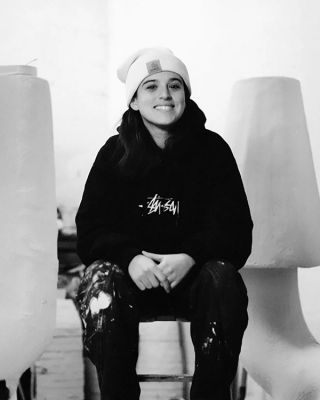
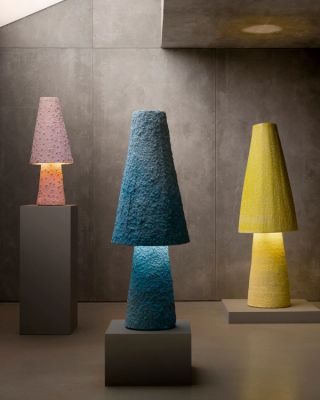
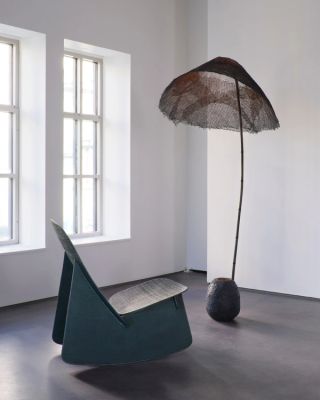
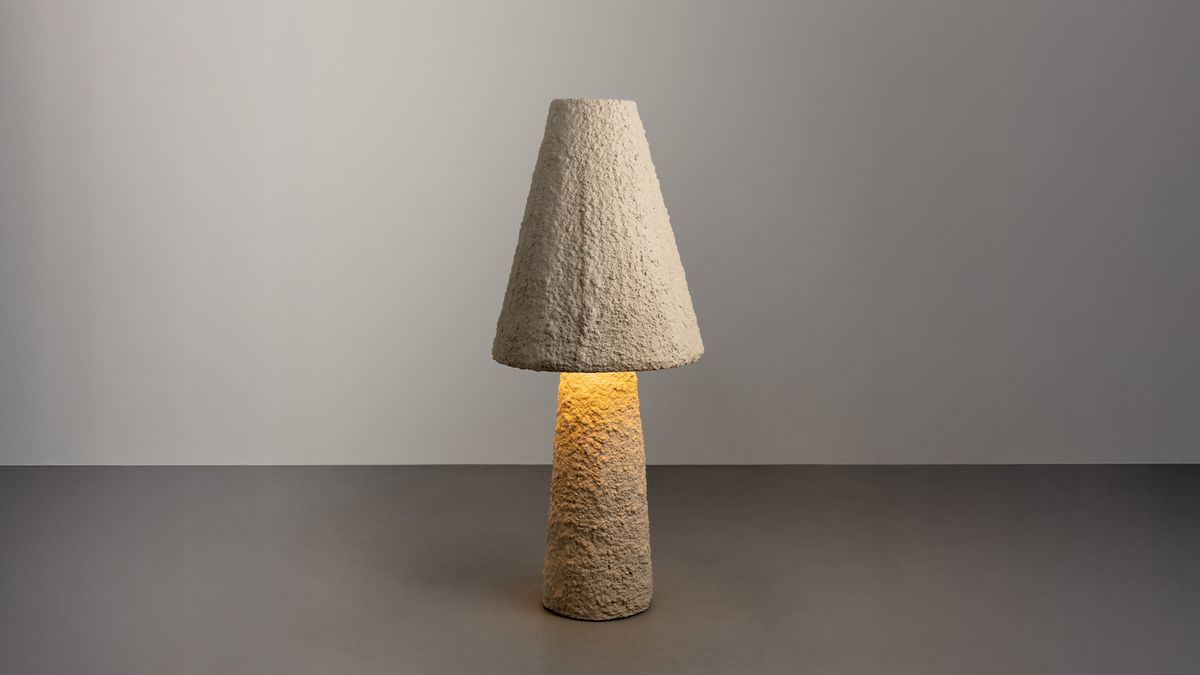
French contemporary artist Léa Mestres' experimental practice counters a design world that she sees as too serious and male-dominated, with play, humour and whimsy used as aesthetic devices to create colourful, anthropomorphic, larger-than-life sculptures. Crafted using the artist's special plaster called lélélite, Nene is a sculptural lamp finished in a pale, earthy colour. Though animated and whimsical, the work is structurally rigorous: volume, balance and silhouette are carefully resolved so that the object defines its environment.
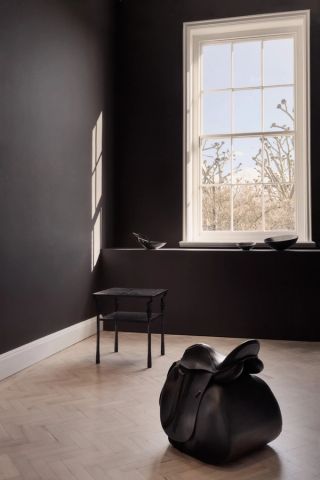
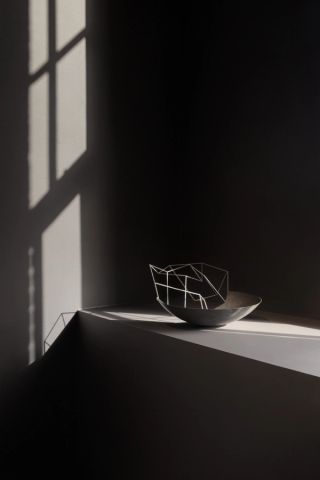
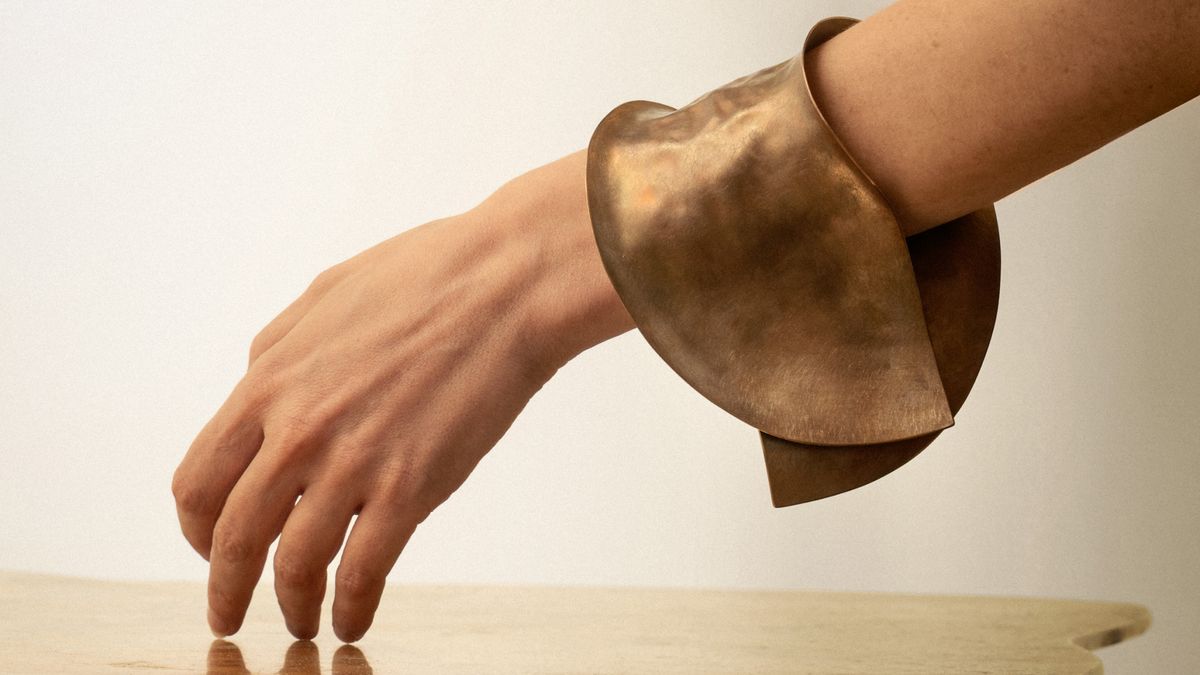
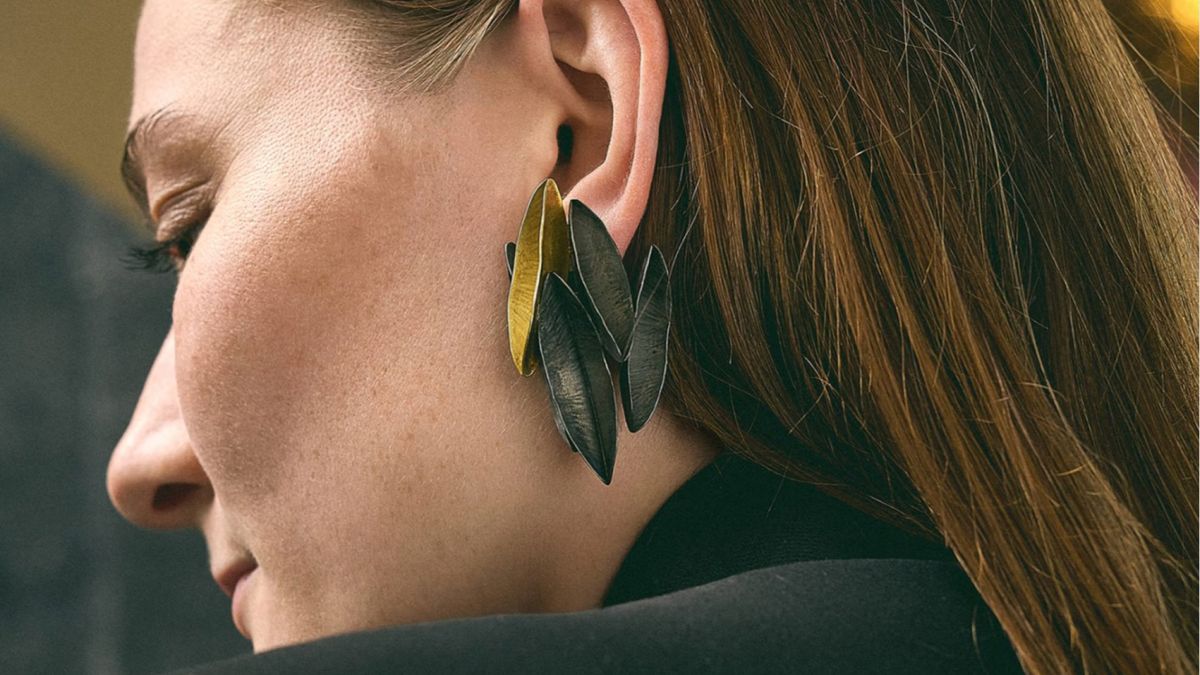
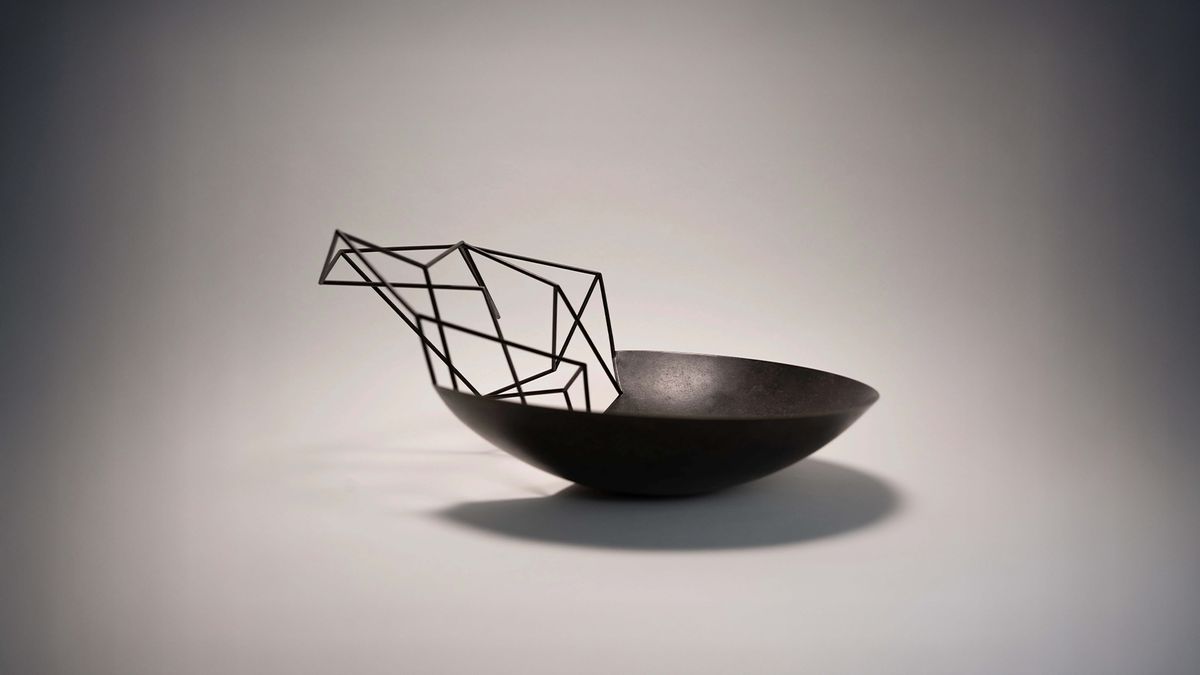
Ane Christensen’s Shallow Ring and Ghost Bowl demonstrate how a singular sculptural vocabulary can inhabit both table and hand. The Ghost Bowl, with its attenuated profile and quiet, hovering presence, appears almost dematerialised—its pared-back geometry creating a tension between weight and lightness. Rather than asserting itself as a vessel in the traditional sense, it frames emptiness as an active element, allowing negative space to become the primary medium. This subtle orchestration of contour and void mirrors the spatial sensitivity of the Shallow Ring. Christensen’s architectural approach to design, reveals jewellery as an expression of spatial thinking—an object that holds space as much as it occupies it.
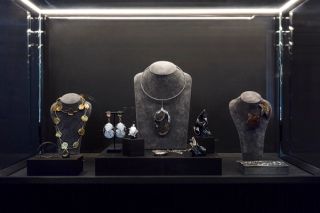
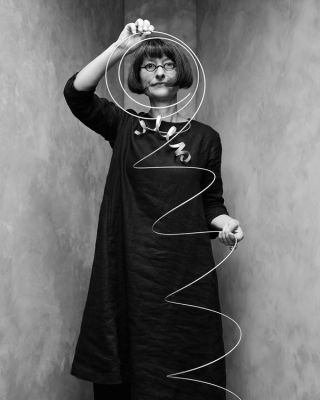
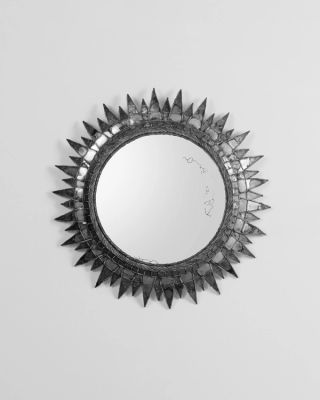
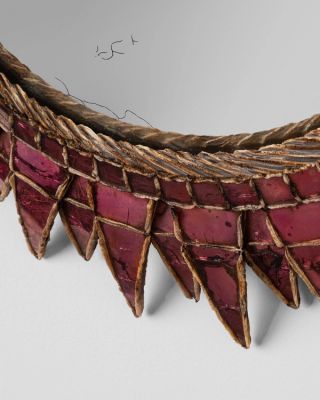
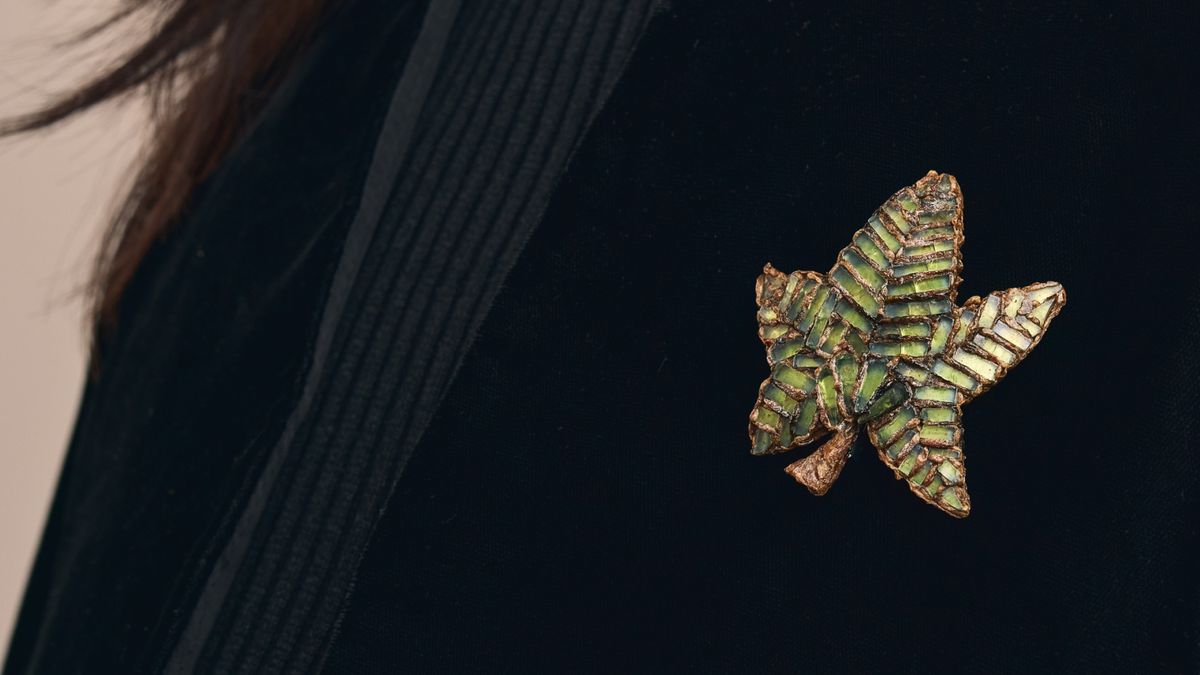
The exhibition also honours the pioneering legacy of Line Vautrin, whose brooches and reflective sculpture Soleil à Pointes n° 4 illuminate the profound continuity between her jewellery and her larger decorative works. Vautrin’s mastery of surface, symbolism and reflective material demonstrates how adornment can function as both intimate talisman and architectural presence. Her practice epitomises the exhibition’s central thesis: jewellery as a natural extension of artistic exploration, scaled to the body yet expansive in meaning.
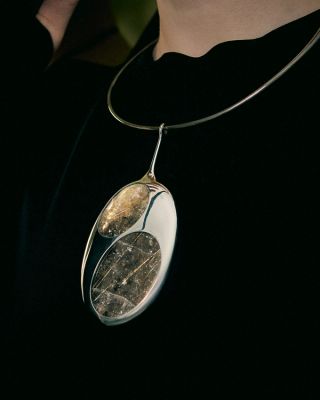
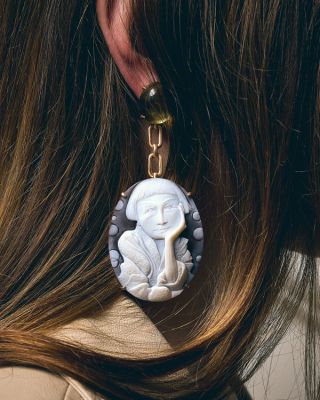
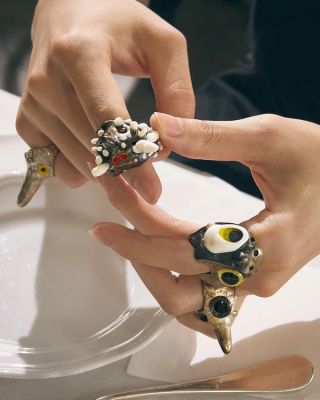
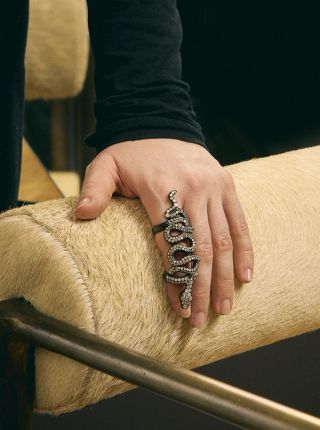
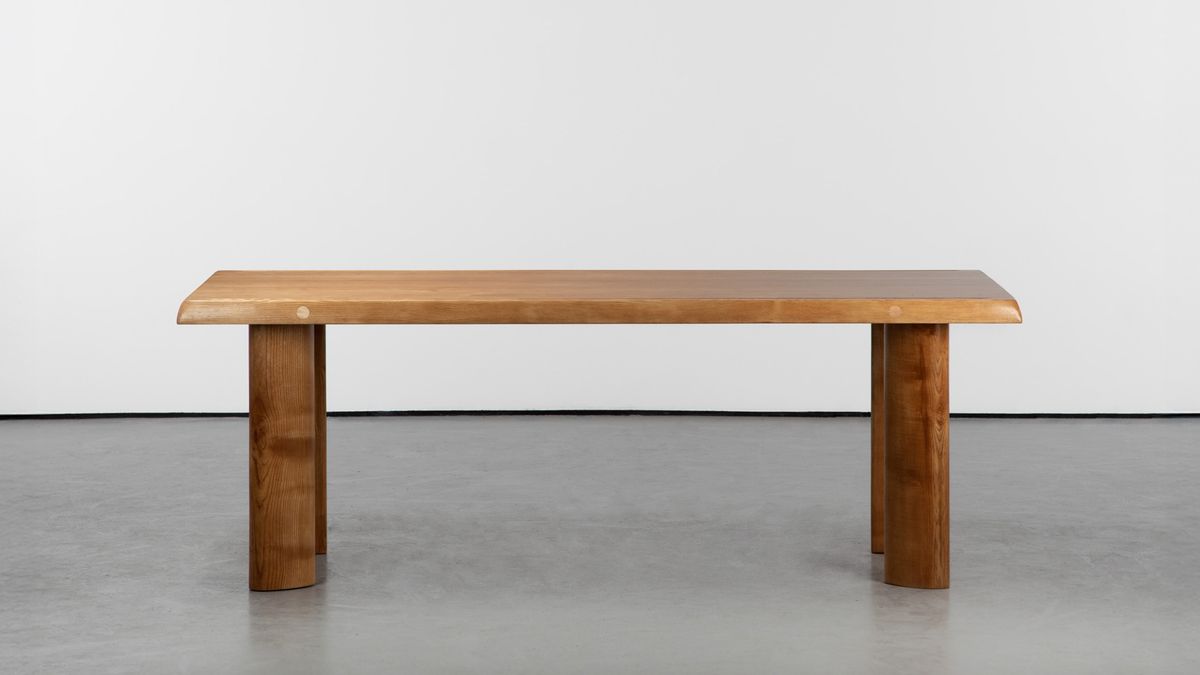
Other artists and designers in the exhibition include Gabriella Crespi, Johanna Grawunder, Ika Kuenzel, Charlotte Perriand, Simone Prouvé, Ute Decker, Kayo Saito, Jacqueline Rabun and Najla El Zein. Their works represent outstanding achievements across both jewellery and functional art, highlighting the relationship between the two through innovative approaches to form, function and materiality.